Platform comparison
| Platform | YES odds | NO odds | Fee | KYC | Settlement | |
|---|---|---|---|---|---|---|
Polymarket (via Prediction Market UK) Pick polygram.ink (preferred broker) |
98% | 2% | 0% (USDC on-chain) | No-KYC up to $1,500 | USDC, auto via UMA oracle | See live odds → |
Polymarket (direct) polymarket.com |
98% | 2% | 0% | Geo-blocked in US/UK/EU | USDC, on-chain | See live odds → |
Kalshi kalshi.com |
— | — | Up to 7% per trade | US-only, KYC required | USD | See live odds → |
Betfair Exchange betfair.com |
— | — | 2-5% commission | Full KYC from first trade | GBP / EUR | See live odds → |
Manifold Markets manifold.markets |
— | — | Play-money (mana) | None — play-money | Mana (no cash-out) | See live odds → |
Outcome probabilities
Current market-implied probability for each outcome, from the live order book.
| Outcome | Probability |
|---|---|
| November 2 | 98% |
| July 31 | 98% |
| July 17 | 94% |
| July 10 | 87% |
| July 7 | 85% |
| July 6 | 13% |
Market context
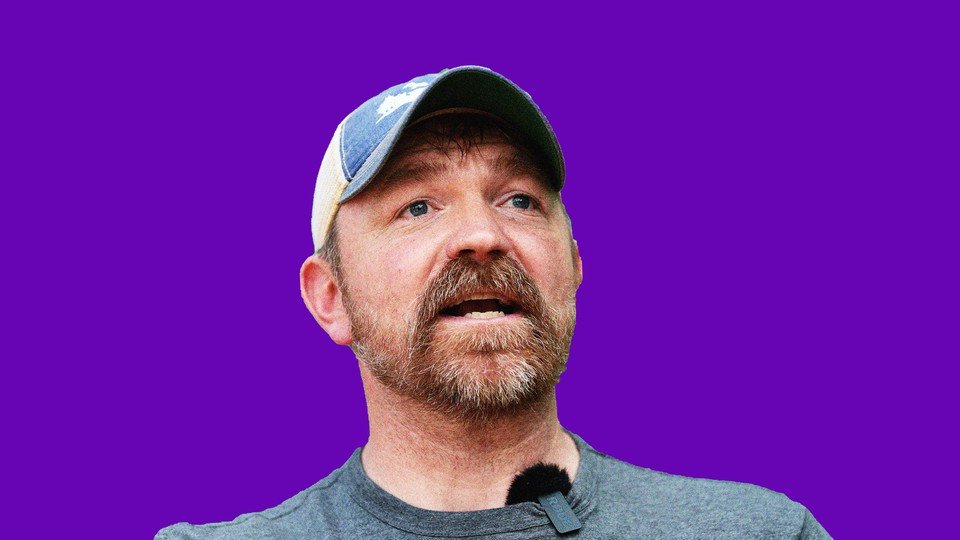
Graham Platner, the Democratic nominee for Maine’s 2026 U.S. Senate seat, is widely expected to remain in the race against incumbent Susan Collins, yet current prediction markets assign a 96% chance he will withdraw before November 2, 2026. In prediction markets, a YES share pays out if the stated event occurs—here, Platner dropping out—while a NO share pays if he stays. This market resolves based on official announcements from Platner or his representatives, with credible media consensus as a secondary source.
Historically, high-profile candidates in tight Senate races have withdrawn due to health issues, legal challenges, or internal party pressure, often when early polling suggests a losing trajectory. While Platner currently holds a slight lead over Collins in recent polls [5], comparable cases like 2018 Maine Senate candidate Samson’s withdrawal after a scandal show how quickly momentum can shift. The 96% probability suggests traders believe a catalyst—perhaps undisclosed personal or political pressure—is imminent, even if public data remains stable.
Traders should monitor Platner’s campaign schedule, any sudden press statements, and developments in the allegations recently raised against Collins, which could indirectly affect his standing [8]. A key catalyst may be an official campaign suspension announcement or a shift in Democratic Party backing, both of which would trigger the YES outcome. Recent polling confirms Platner’s lead [3], but the market’s extreme confidence implies hidden dependencies not yet visible in public reporting. Watch for updates from his official channels or credible news outlets covering Maine politics for the earliest signals.
Methodology
This page reviews Will Graham Platner drop out by 2026? across five venues. The live probability is the Polymarket mid-price, sourced directly from the on-chain Polygon order book; the comparison columns benchmark each venue on fee structure, KYC, settlement currency and payment rails. Every CTA routes to Prediction Market UK, which mirrors the Polymarket order book at 0% fees.
Resolution & payout
Settlement runs on-chain. Polymarket's contract logic separates YES and NO shares as conditional tokens; at resolution the winning share lifts to $1.00 and the losing one to $0. The outcome input comes from the UMA Optimistic Oracle, which secures against bad resolution with a bond + dispute window.
Once finalised, the smart contract pays USDC to the holders' wallets within minutes — no withdrawal fees beyond Polygon network gas. Kalshi settles in USD via CFTC clearance, Betfair in account currency net of commission, Manifold in play-money mana with no cash-out.
FAQ
- How does resolution work?
- Through the UMA Optimistic Oracle on Polygon: a proposer submits the outcome, a two-hour challenge window opens, and USDC payouts settle automatically once the result is final.
- What's the difference between YES and NO shares?
- A YES share pays $1.00 if the event happens, $0 otherwise. A NO share pays $1.00 if the event doesn't happen. The market price between 0¢ and 100¢ is the implied probability.
- What does Polymarket cost to trade?
- Polymarket itself charges 0% — the only cost is the Polygon network fee, typically under $0.01 per transaction. Off-chain venues like Kalshi or Betfair charge 2-7% commission.
- How fast are USDC deposits?
- Polygon credits deposits after 12 confirmations — usually under 30 seconds. Withdrawals follow the same path and land back in your wallet within minutes.
- Do I need to KYC for this market?
- On Polymarket directly, no — it's wallet-based. Intermediary brokers like Prediction Market UK trigger KYC only above $1,500 of lifetime trading volume; under that you trade pseudonymously with a single wallet address.
%22%2F%3E%3Cpath%20d%3D%22M%206%2066%20A%2026%2026%200%200%201%2058%2066%22%20fill%3D%22%23E6B98D%22%20opacity%3D%220.9%22%2F%3E%3Ccircle%20cx%3D%2232%22%20cy%3D%2226%22%20r%3D%2222%22%20fill%3D%22%23F5CBA7%22%2F%3E%3Crect%20x%3D%2210%22%20y%3D%224%22%20width%3D%2244%22%20height%3D%2214%22%20rx%3D%227%22%20fill%3D%22%23be123c%22%20opacity%3D%220.9%22%2F%3E%3Crect%20x%3D%228%22%20%20y%3D%2218%22%20width%3D%228%22%20%20height%3D%2218%22%20rx%3D%224%22%20fill%3D%22%23be123c%22%20opacity%3D%220.7%22%2F%3E%3Crect%20x%3D%2248%22%20y%3D%2218%22%20width%3D%228%22%20%20height%3D%2218%22%20rx%3D%224%22%20fill%3D%22%23be123c%22%20opacity%3D%220.7%22%2F%3E%3C%2Fsvg%3E) and
and%22%2F%3E%3Cpath%20d%3D%22M%206%2066%20A%2026%2026%200%200%201%2058%2066%22%20fill%3D%22%23E6B98D%22%20opacity%3D%220.9%22%2F%3E%3Ccircle%20cx%3D%2232%22%20cy%3D%2226%22%20r%3D%2222%22%20fill%3D%22%23F5CBA7%22%2F%3E%3Cpath%20d%3D%22M%2010%2026%20A%2022%2028%200%200%201%2054%2026%22%20fill%3D%22%23be123c%22%20opacity%3D%220.9%22%2F%3E%3C%2Fsvg%3E)
Trade Will Graham Platner drop out by 2026? on Prediction Market UK
Live order book, 0% fees, USDC settlement in seconds.
Open live market →